
09 Feb 2023
upd: 16 Jun 2026
2000s Fashion: The Defining Trends, Aesthetics, and Style Moments of the Decade
No decade in recent fashion history has staged a more dramatic revival than the 2000s. Low-rise jeans are back. Velour tracksuits have reappeared on runways. 2000s outfits that were once mocked are now reference material for a generation of designers, stylists, and students who are approaching the era with fresh eyes and genuine creative curiosity.
But understanding 2000s fashion properly — beyond the nostalgia and the memes — requires looking at what was actually driving the aesthetic decisions of the decade: the cultural forces, the celebrity influence, the brand dominance, and the way the era’s distinct phases evolved from one to the next. That kind of contextual literacy is what separates a designer who borrows intelligently from a designer who simply replicates.
This article breaks down the 2000s fashion trends era by era, identifies the dominant aesthetic codes of the decade, and examines what the Y2K revival tells us about how the fashion cycle works — and why students studying design and styling need to understand it.
What Defined the 2000s Fashion Aesthetic?
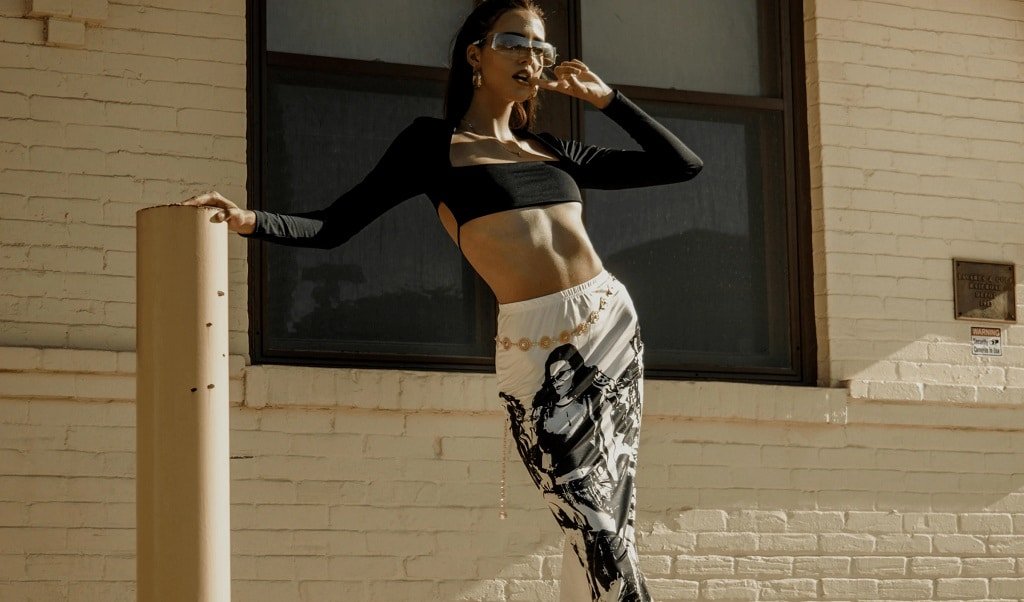
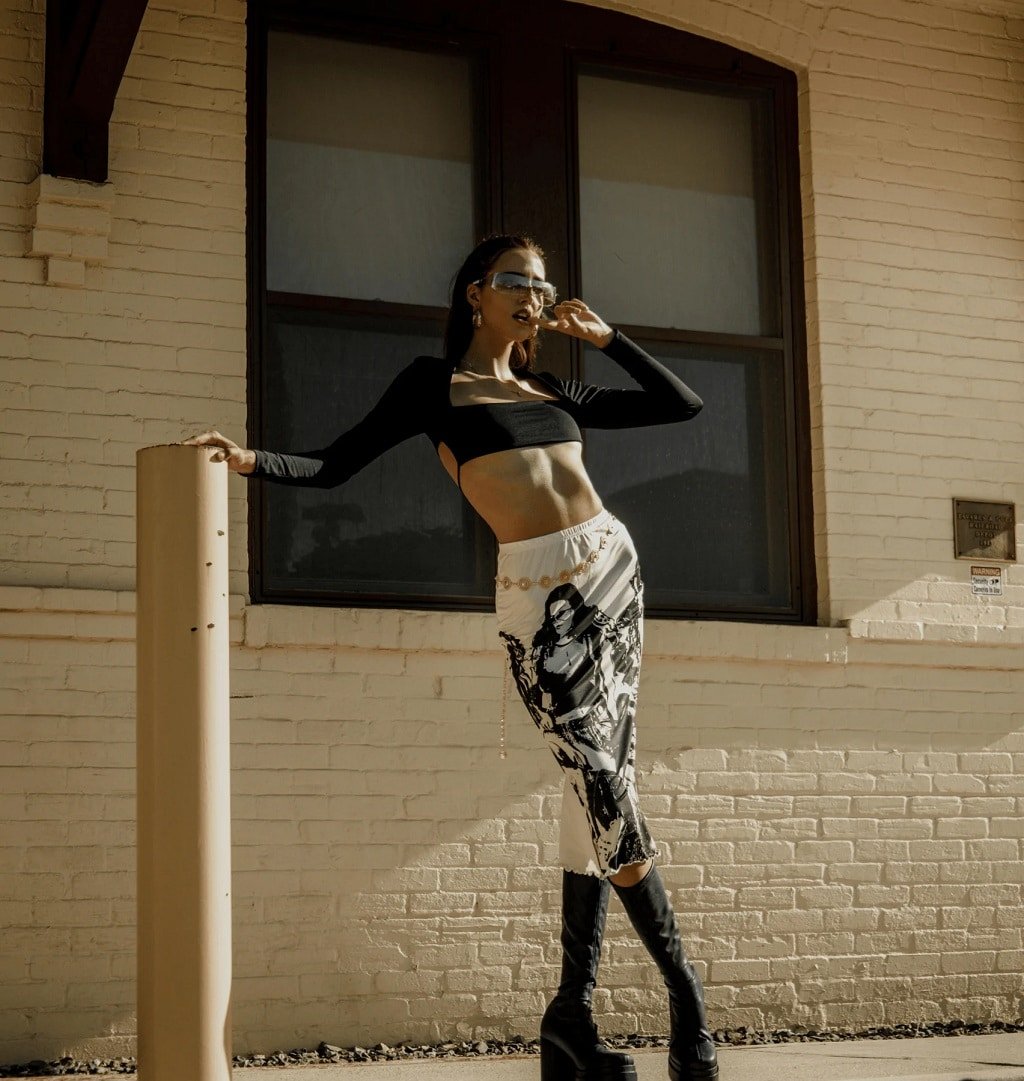
The 2000s fashion aesthetic was not a single coherent vision — it was a collision of competing forces, and that collision produced some of the most visually polarizing clothing in modern fashion history. Several macro-factors shaped the decade’s style identity:
Celebrity Culture as the Primary Trend Engine
The early 2000s marked the peak of celebrity-driven fashion at a scale the industry had not previously seen. Paris Hilton, Britney Spears, Lindsay Lohan, Jennifer Lopez, and Destiny’s Child were not simply cultural figures — they were the primary distribution mechanism for 2000s clothing trends. What appeared on a red carpet on Saturday was replicated in fast fashion retail by Monday. The cycle between aspiration and accessibility compressed dramatically, and 2000s style became inseparable from the machinery of celebrity media.
The Internet as Emerging Amplifier
The early 00s fashion era coincided with the early commercial internet, MySpace, and the first wave of reality television — all of which accelerated trend dissemination without yet having the algorithmic speed of later social media. Trends spread faster than in the 1990s but had longer cultural half-lives than they would in the 2010s.
Y2K Anxiety and Tech-Forward Optimism
The turn of the millennium carried a dual cultural mood: anxiety about technological collapse (Y2K) alongside genuine excitement about a future shaped by technology. This produced a fashion sensibility that was simultaneously futuristic and nostalgic — metallic fabrics, space-age silhouettes, and tech-influenced logos coexisting with bohemian romanticism and 1970s revival dressing. Understanding this tension is key to reading 2000 era fashion with precision.
Early 2000s Fashion: Y2K Maximalism and Status Dressing (2000–2003)
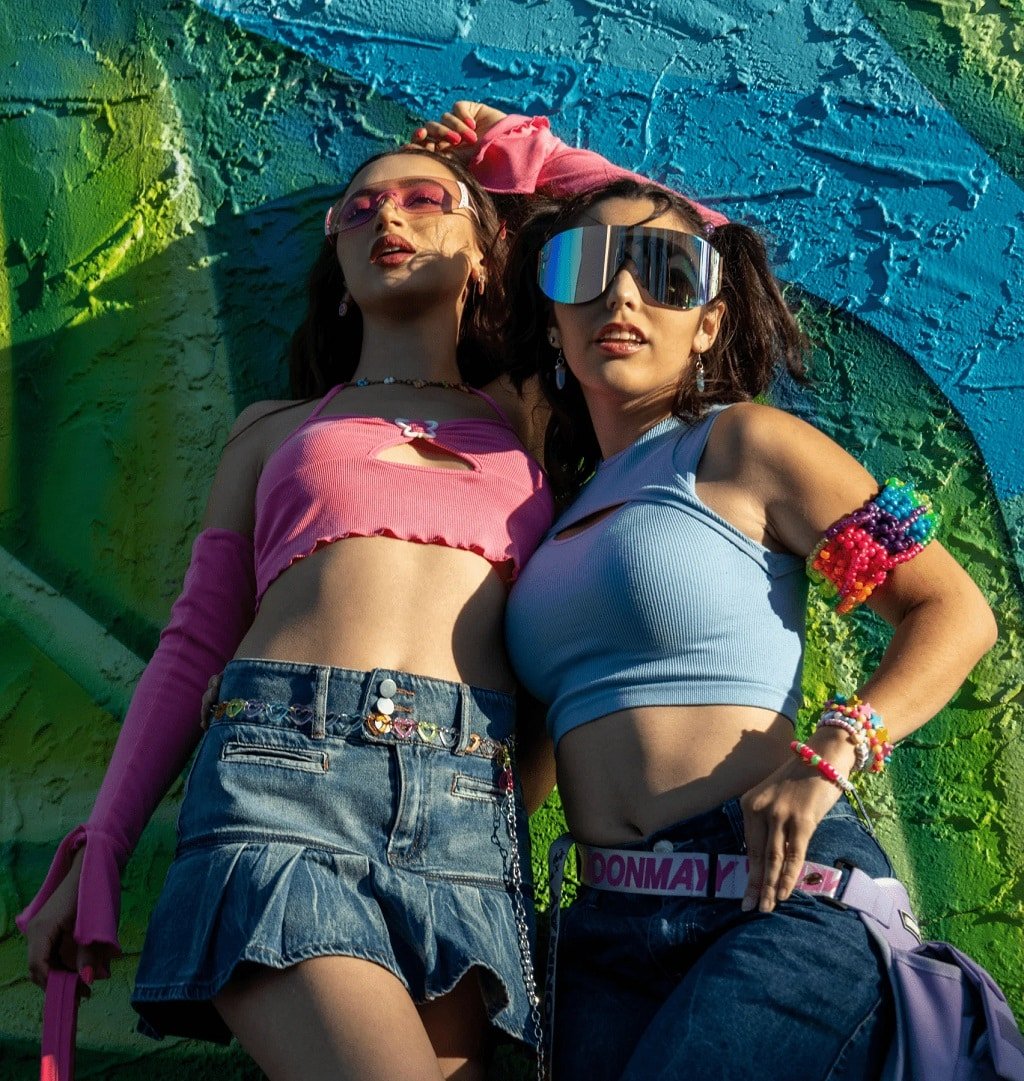
The early 2000s fashion moment is the one most associated with the current revival — and it is characterized above all by maximalism, visible branding, and the aesthetics of conspicuous consumption at every market level.
The Logomania of Von Dutch, Ed Hardy, and Juicy Couture
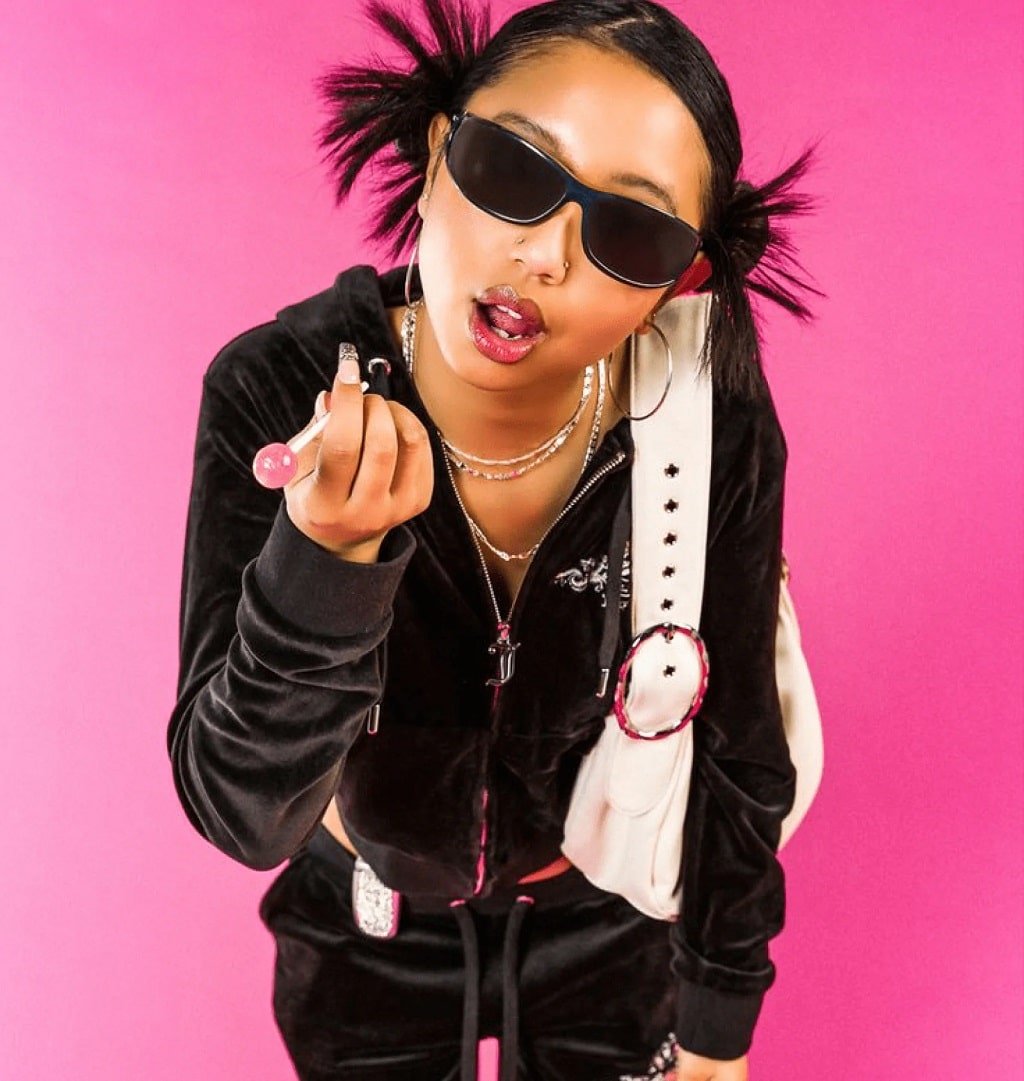
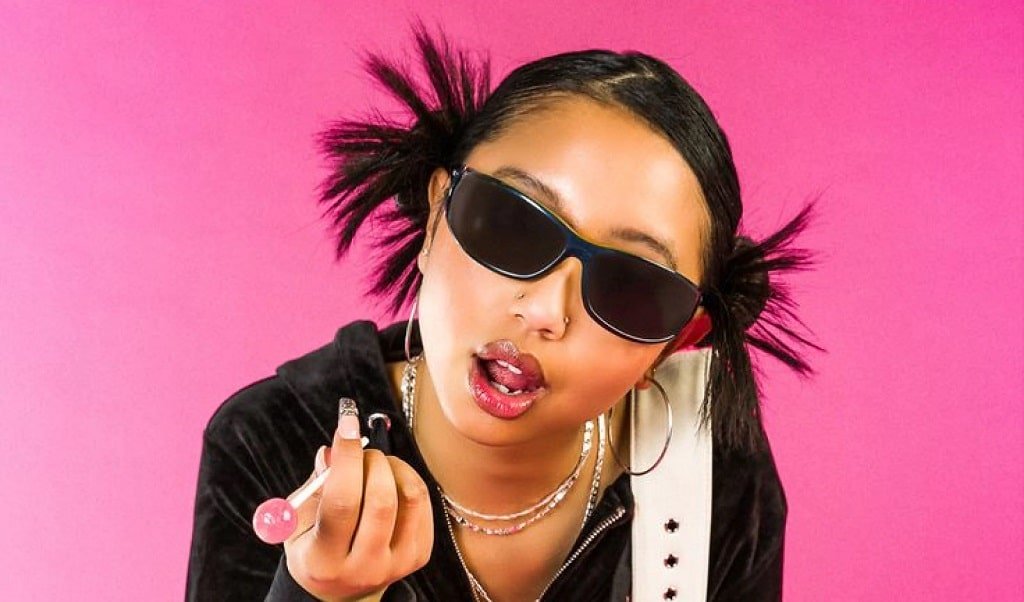
Three brands above all others defined the status dressing codes of early 2000s outfits: Von Dutch trucker hats (worn asymmetrically, favored by Paris Hilton and Ashton Kutcher), Ed Hardy graphic tees (rhinestone-embellished, heavily tattooed in aesthetic), and Juicy Couture velour tracksuits (the definitive 2000s clothes style item — worn with platform flip-flops or Ugg boots, customized with the owner’s name or a rhinestone motif across the rear).
These brands shared a common logic: visible, immediately legible branding as fashion statement. Wearing a Von Dutch hat or a Juicy tracksuit was not simply a clothing choice — it was a declaration of cultural membership. This logic of logomania has strong precedents in 1980s fashion and would resurface, in more refined form, in the late 2010s luxury market.
Low-Rise Jeans: The Defining Silhouette
No single garment is more closely associated with 2000s outfits women than the low-rise jean. Sitting two to four inches below the natural waist, worn with cropped tops that deliberately exposed the midriff, the low-rise silhouette was dominant from approximately 2000 to 2007. It appeared across every market level — from premium denim brands to fast fashion — and was worn by virtually every major celebrity of the era.
Its current revival (beginning around 2022) is a textbook example of the generational distance principle in trend cycles: Gen Z consumers who were toddlers during the original Y2K moment are encountering the silhouette without the baggage of having lived through its overexposure.
Key Early 2000s Trends and Pieces
- Velour tracksuits — Juicy Couture’s signature; worn as both loungewear and going-out attire, often in hot pink or baby blue
- Baguette bags — the Fendi Baguette (popularized by Sex and the City’s Carrie Bradshaw) established the small, body-hugging shoulder bag as the prestige accessory of the era
- Von Dutch trucker hats — mesh-backed caps worn tilted; one of the most recognized 2000s fads
- Platform flip-flops and stiletto mules — footwear that prioritized visual height over practicality
- Graphic tees with rhinestone embellishment — Ed Hardy and Christian Audigier brought tattoo aesthetics to ready-to-wear
- Ugg boots — transitioned from surfwear to mainstream street style; worn with mini-skirts or skinny jeans
- Bedazzled and embellished denim — rhinestones, embroidery, and distressing applied to jeans and jackets across all price points
- Visible thong straps — underwear as outerwear; a direct expression of the low-rise silhouette’s relationship to body exposure
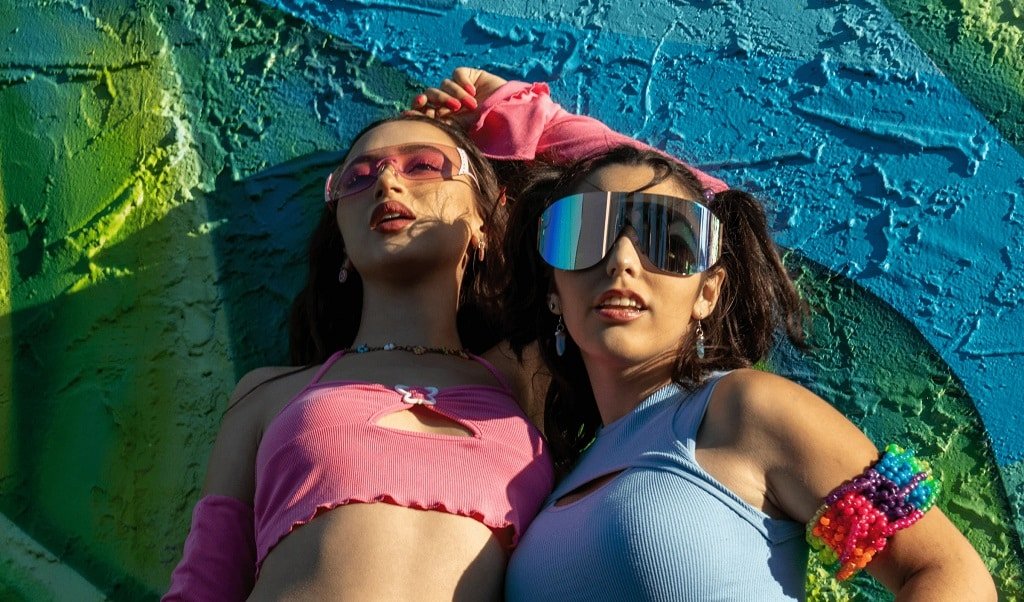
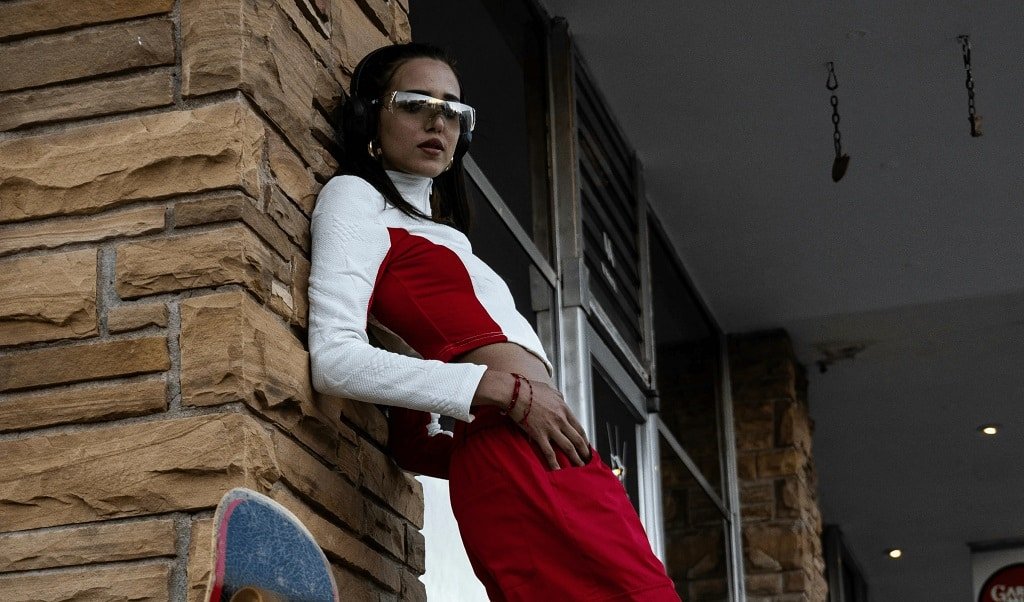
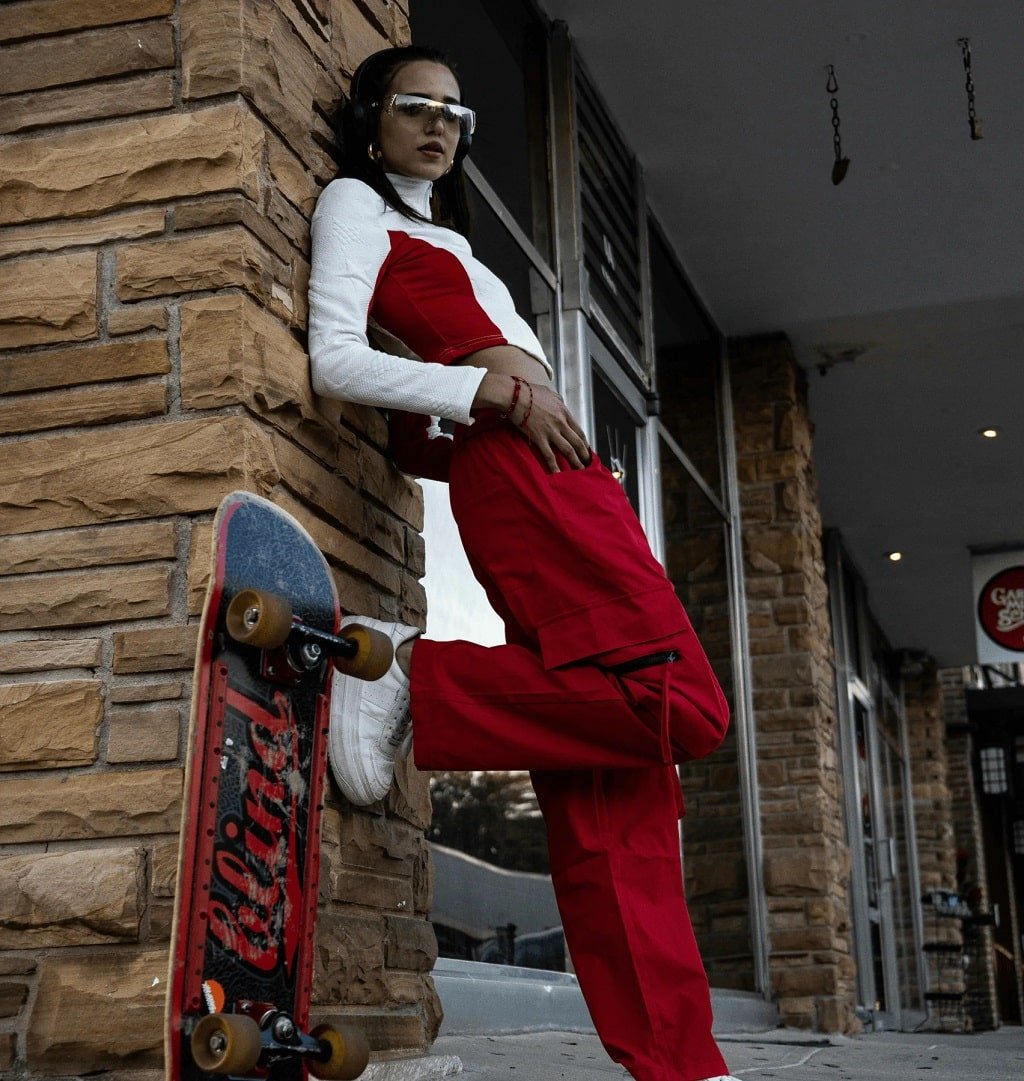
Mid-2000s Fashion: Boho-Chic and the Sienna Miller Effect (2004–2007)
By the mid-decade, the maximalist logomania of the early 2000s fashion had given way to a different aesthetic register. Boho-chic emerged as the dominant sensibility — drawing from 1960s and 1970s festival dressing and carried into the mainstream primarily through the influence of Kate Moss, Sienna Miller, and the Glastonbury Festival circuit.
Boho-Chic: The Mid-Decade Aesthetic
The 2000s style shift toward boho-chic introduced a deliberately undone quality to fashion — layering, distressing, and an embrace of natural and artisanal-looking textiles in place of the glossy synthetic finish of early Y2K dressing. The 2000s fashion women were wearing in this period included peasant blouses, crochet tops, wide-brimmed hats, maxi skirts layered over jeans, and gladiator sandals — all filtered through a lens of studied effortlessness that was, in practice, carefully curated.
- Peasant blouses and crochet tops — loose, embroidered, and often semi-sheer; layered over camisoles or bikini tops
- Wide-leg and flared jeans — a departure from the ultra-skinny early 2000s cuts; worn low-rise with heels
- Oversized tote bags — the Paddington, Mulberry Bayswater, and oversized boho-style totes replaced the baguette as the decade’s aspirational arm candy
- Gladiator sandals — flat, strappy, and extending up the calf; worn with everything from mini-dresses to shorts
- Dresses over jeans — one of the most distinctive mid-2000s styling approaches; a layering logic that simultaneously extended garment use and communicated a specific boho sensibility
- Headbands and flower crowns — festival-derived hair accessories that crossed over into everyday styling
The Rise of the “It Bag”
The mid-2000s also marked the full commercialization of the “it bag” phenomenon. The Balenciaga Motorcycle Bag, the Chloé Paddington (with its conspicuous padlock), and the Louis Vuitton Monogram Canvas pieces became the definitive status symbols of the period — tracked obsessively by celebrity media and immediately replicated at every market level. The 2000s fashion aesthetic around accessories was one of maximum visibility and immediate cultural recognition.
Late 2000s Fashion: The Shift Toward Minimalism and Streetwear (2007–2009)
The late 2000s fashion moment — shaped partly by the 2008 financial crisis and partly by the emerging influence of streetwear culture — represented a turn away from the excess and embellishment of early Y2K dressing toward cleaner lines, darker tones, and an increased cultural authority of menswear-informed aesthetics.
Skinny Jeans and the Slim Silhouette
As the decade closed, the dominant 2000s dress style for both men and women shifted toward a slimmer, more structured silhouette. Skinny jeans — worn with ballet flats, pointed-toe heels, or slim boots — replaced the boho flare and the low-rise wide-leg of earlier years. The silhouette was cleaner, more deliberately constructed, and less overtly body-exposing than early 2000s looks.
Streetwear, Skate Culture, and Menswear Crossover
The late 2000s fashion era saw streetwear move from subcultural to mainstream. Skate-influenced brands, graphic hoodies, slim-cut jeans paired with Converse or Vans, and the aesthetic influence of indie music (The Strokes, Arctic Monkeys) all entered the broader fashion conversation. Men’s fashion in this period drew from 1950s Americana — letterman jackets, leather riders, flannel shirts — as well as the slim tailoring influence of early 1980s style.
- Skinny jeans — both genders; worn high-ankle or tucked into boots
- Leather motorcycle jackets — revived from 1980s rock dressing; became a wardrobe staple across men’s and women’s fashion
- Ballet flats — the clean, minimal footwear contrast to the maximalist shoes of earlier in the decade
- Oversized sunglasses — remained a constant from mid-decade; large frames in tortoiseshell, black, or colored acetate
- Neon colors and animal prints — particularly in women’s club and eveningwear; a last expression of 2000s maximalism before the cleaner minimalism of the early 2010s
- The shift dress — a cleaner silhouette, often in solid colors or graphic prints, worn with opaque tights and ankle boots as the decade concluded
2000s Fashion Facts: Key Data Points for Design Students

For students approaching 2000s fashion as a research subject, the following 2000s fashion facts provide useful historical context:
- The Juicy Couture tracksuit peaked in commercial value around 2003–2005, when the brand was generating over $600M annually — making it one of the fastest-growing luxury-accessible brands in American fashion history
- The Von Dutch trucker hat trend lasted approximately two to three years (2002–2005) before reaching oversaturation — a compressed trend cycle that anticipated the even faster cycles of social media-driven fashion
- The Fendi Baguette (launched 1997) became the definitive 2000s “it bag”, with over 100 variations produced; it was one of the first modern examples of an accessory achieving cultural icon status through media placement rather than advertising
- Low-rise jeans were at their commercial peak from 2001 to 2007, accounting for the majority of women’s denim sales during that period — their reappearance in collections from 2022 onward follows almost exactly the 20-year revival cycle
- The 2000s produced three distinct aesthetic phases — Y2K maximalism, boho-chic, and emerging minimalism — each lasting approximately three years, which was already faster than the five-to-seven year phase cycles of preceding decades
- Celebrity-driven fast fashion became commercially dominant during this decade, with Zara, H&M, and Topshop accelerating their design-to-retail timelines from months to weeks in response to demand for celebrity-inspired looks

Why 2000s Fashion Matters for Contemporary Design Students
The current Y2K revival is not simply nostalgia — it is a case study in how the fashion cycle operates and what designers can learn from understanding it structurally rather than just aesthetically.
The Revival Confirms the 20-Year Cycle
Low-rise jeans, baguette bags, velour tracksuits, and logomania have all resurfaced in collections and consumer demand beginning around 2021–2022 — approximately twenty years after their peak in early 2000s fashion. This is not coincidence. It is the generational distance mechanism of the fashion cycle operating predictably: the cohort encountering these looks now was too young to have experienced the original saturation, so the aesthetic reads as fresh rather than dated.
For designers, this means that studying 2000s clothing trends now is not an exercise in nostalgia — it is preparation for the next wave of market demand. Understanding which elements of the era are being recontextualized (versus simply replicated), and why certain pieces are resonating with specific audiences, is practical market intelligence.
The Decade’s Aesthetic Contradictions Are a Design Resource
The 2000s fashion aesthetic was genuinely plural — it contained Y2K futurism, Americana nostalgia, boho romanticism, and emerging streetwear minimalism within a single decade. For students developing their own design language and fashion sketches, that plurality is a resource. The decade demonstrates how a single cultural moment can sustain multiple aesthetic directions simultaneously — and how the most durable design voices are those that understood which direction they were operating within, rather than attempting to participate in all of them at once.
Celebrity-Driven Trend Cycles as a Commercial Model
The 2000s established the celebrity-to-consumer trend pipeline that later social media platforms accelerated and democratized. Understanding how 2000s fashion trends moved from runway to red carpet to retail to fast fashion to mass market — and the timeline of each transition — gives contemporary students a historical model for understanding how trend cycles operate in the current media environment. The speed has changed; the mechanics have not.

Study Fashion History and Trend Analysis at Istituto Marangoni Miami
At Istituto Marangoni Miami, understanding 2000s fashion — and every other era of fashion history — is part of a broader curriculum in trend literacy, cultural analysis, and creative research. Located in Miami’s Design District, surrounded by an active international fashion market, students develop the ability to read the fashion cycle with the kind of historical depth and market intelligence that makes creative decisions genuinely informed rather than simply instinctive.
As an internationally recognized fashion design school, Istituto Marangoni Miami integrates Italian academic heritage with Miami’s cultural dynamism — offering students exposure to global fashion history, trend forecasting, and the professional context needed to apply historical research to contemporary design practice. The ability to look at 2000s outfits and understand not just what they look like but why they looked that way, who was wearing them and why, and what they tell us about the current market — that is the analytical capability that distinguishes a trend-literate designer from one who simply follows what’s currently circulating.
Whether beginning with an associate degree in fashion styling, developing a design perspective through a bachelor of fine arts in fashion design or bachelor degree in fashion styling, or pursuing advanced study through a master degree in fashion design, you will build the historical fluency, trend intelligence, and cultural awareness to work creatively within the fashion cycle — rather than simply being carried along by it.
Every revival is an opportunity. The designers who capitalize on it are those who understood the original well enough to know what it means now.
Explore all programs at Istituto Marangoni Miami — and build the foundation to turn fashion history into creative and professional advantage.
5 Average rating (2 reviews)