The stylist vs. designer distinction is not simply a matter of job title — it reflects a fundamentally different creative orientation. Understanding where each role sits within the broader fashion system clarifies which path is likely to be the better fit.
Output
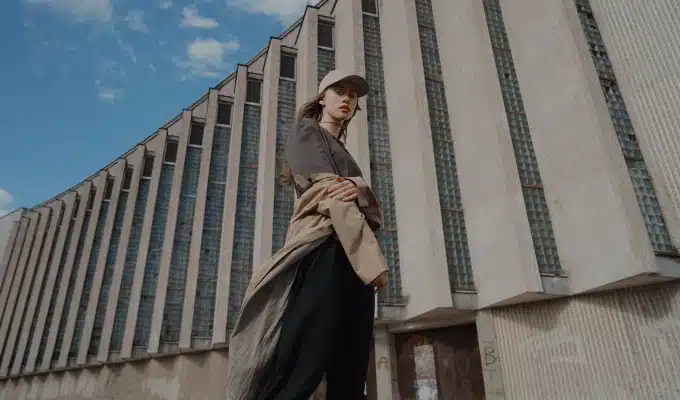
A fashion designer produces a physical object — the garment. A fashion stylist produces a visual image — a photograph, a look, a presentation. The designer’s work is the raw material; the stylist’s work is the deployment of that material in context.
Process
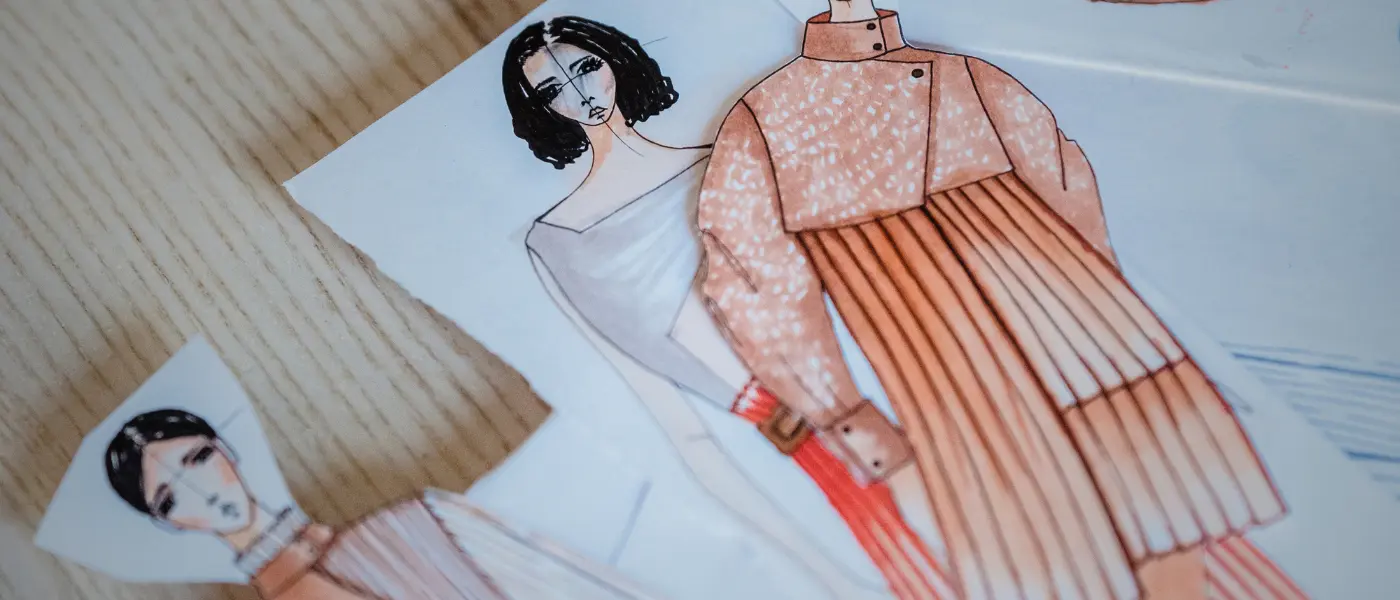
Fashion and design follows a linear development process: concept → research → sketch → construction → sample → production. Styling fashion follows an assembly and curation process: brief → research → sourcing → fitting → shoot → delivery. Both are rigorous, but they require different types of decision-making at each stage.
Client Relationship
A fashion designer’s primary audience is often diffuse — the collection speaks to a market segment rather than an individual. A fashion stylist’s work is frequently personal — whether working one-on-one with a private client or translating a brand’s identity into a specific visual campaign targeted at a defined audience.
Technical Skills
Fashion design requires deep technical knowledge of garment construction, textiles, and pattern-making. What fashion styling is built upon is a different form of technical literacy: brand knowledge, trend awareness, color theory, body type analysis, and the logistical skills to manage complex shoots and client relationships.



0 Average rating (0 reviews)