Fashion Brand Story Examples: How Luxury Brands Create Emotional Connections
Some of the strongest fashion brand story examples come from luxury houses that have transformed their history and values into powerful narratives.

4 Average rating (1 reviews)

In today’s fashion industry, brands compete for more than consumer attention — they compete for emotional connection. A successful fashion brand is no longer defined only by its products, but also by the stories, values, and experiences it creates around them.
This shift has made narrative marketing one of the most powerful strategies in modern fashion. Instead of traditional advertising focused only on product features, brands now build meaningful stories that allow consumers to connect with their identity and vision.
For future fashion professionals, understanding storytelling in fashion is essential. The ability to create and communicate a compelling brand narrative has become a valuable skill across fashion design, luxury management, and digital marketing.
At Istituto Marangoni Miami, students explore how leading fashion brands use creativity, culture, and strategic communication to build powerful connections with global audiences.

Narrative marketing is a strategy that uses storytelling techniques to communicate a brand’s identity, values, and purpose. Instead of simply showing what a product looks like, brands create a larger narrative that explains why the product exists and what it represents.
In fashion, this approach is especially powerful because clothing has always been connected to identity, culture, and personal expression.
A strong marketing narrative strategy helps brands answer important questions:
Luxury fashion houses have mastered this approach by transforming collections into experiences and products into symbols of a larger story.

Modern consumers, especially younger generations, increasingly look for authenticity and emotional connection. They want to understand the philosophy behind a brand and support companies whose values align with their own.
This is why storytelling in fashion has become a key element of successful branding.
Effective fashion storytelling can:
For students preparing for careers in fashion business, understanding how stories influence consumer behavior is an essential part of developing successful brand strategies.
Some of the strongest fashion brand story examples come from luxury houses that have transformed their history and values into powerful narratives.
Gucci’s storytelling strategy combines Italian craftsmanship, history, and contemporary creativity. The brand consistently creates narratives around individuality, self-expression, and cultural relevance.
Through fashion shows, campaigns, and digital experiences, Gucci demonstrates how a brand can respect its heritage while continuously evolving.
Chanel’s story remains deeply connected to Gabrielle Chanel’s vision, independence, and revolutionary approach to women’s fashion.
By maintaining a strong connection to its founder’s philosophy, Chanel continues to communicate a recognizable identity across generations.
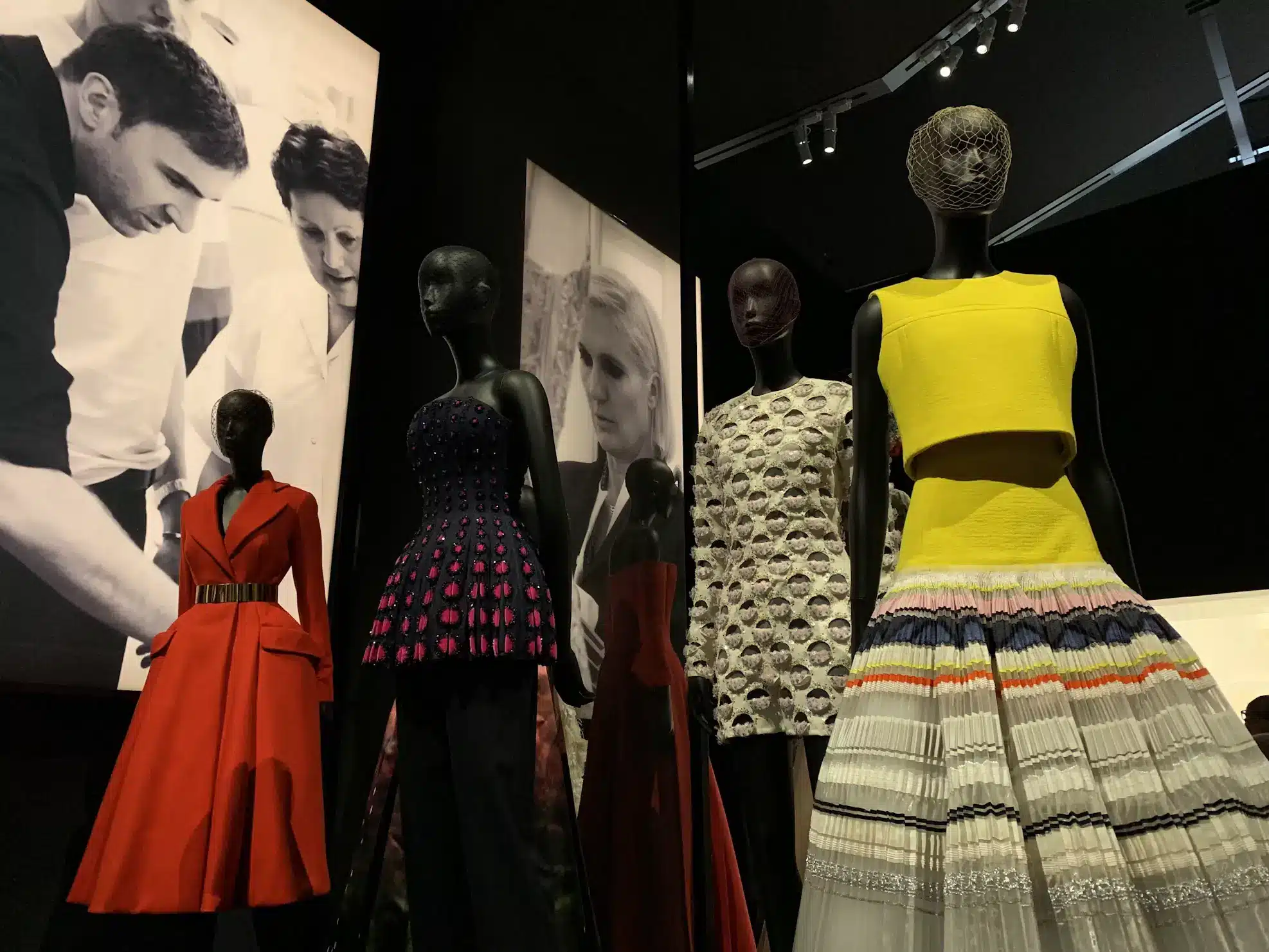
Dior uses storytelling centered around artistry, couture traditions, and exceptional craftsmanship. Every collection communicates a connection between fashion, culture, and creative excellence.
These examples demonstrate how successful brands transform history and values into marketing assets.
One of the most interesting examples of contemporary marketing narrative strategy can be seen through fashion brand collaborations in Emily in Paris.
The series demonstrates how entertainment, fashion, and digital platforms can work together to create immersive brand experiences. Instead of traditional advertisements, brands become part of the storyline, allowing audiences to discover them naturally through characters and narratives.
Season 4 featured collaborations with brands including Ami Paris, Vestiaire Collective, Baccarat, and Boucheron — each using a different storytelling approach.
Ami Paris successfully integrated its brand identity into the world of Emily in Paris by focusing on themes of love, connection, and modern Parisian style.
The appearance of the brand’s iconic heart logo during a romantic scene demonstrated how product placement can become part of a larger emotional moment.
From a fashion business perspective, this example shows students that effective branding is not simply about visibility. The strongest integrations happen when a product naturally supports the story being told.
Vestiaire Collective used the series as an opportunity to introduce audiences to the concept of luxury resale and circular fashion.
By presenting pre-owned luxury fashion as stylish, modern, and sustainable, the brand connected with growing consumer interest in conscious consumption.
This collaboration demonstrates how brands can use storytelling to educate audiences while strengthening their identity.
For future fashion professionals, it highlights the importance of understanding cultural movements and consumer values when developing marketing strategies.

Baccarat’s collaboration with Emily in Paris demonstrated the potential of transmedia storytelling — where a fictional world expands into real consumer experiences.
The introduction of a fictional perfume concept that became available for purchase blurred the boundaries between entertainment and reality.
This approach shows how luxury brands can create memorable experiences by connecting storytelling, digital platforms, and physical products.
For students interested in luxury branding, this represents an important example of how creativity can influence consumer engagement.
Today, fashion storytelling continues beyond traditional campaigns. Platforms such as Instagram, TikTok, and digital communities have transformed how brands communicate with audiences.
A successful marketing narrative strategy now requires understanding:
This is why skills in content creation have become increasingly valuable in the fashion industry. Professionals who understand both fashion aesthetics and digital communication are better prepared for evolving career opportunities.
Students interested in developing these skills can benefit from programs focused on areas such as a social media content creation course, where they learn how brands create meaningful digital narratives.
As fashion continues to evolve, storytelling will remain one of the most influential tools for building brand identity.
The most successful brands will not only create beautiful products — they will create worlds that consumers want to experience and become part of.
For future fashion leaders, mastering storytelling means learning how to combine creativity, strategy, technology, and consumer psychology.
Whether developing a luxury campaign, managing a fashion brand, or launching a new label, understanding narrative marketing is essential for building meaningful connections in the modern fashion landscape.

The future of fashion belongs to professionals who can combine creative thinking with strategic business knowledge.
At Istituto Marangoni Miami, students learn how global fashion brands develop identities, communicate with audiences, and create innovative marketing strategies.
Through programs focused on fashion business, luxury management, digital communication, and creative development, students gain insights into the strategies shaping the future of the industry.
Whether you are interested in pursuing a fashion design education, developing expertise in luxury brand management, or building skills for a career in fashion marketing, Istituto Marangoni Miami provides the foundation to transform creativity into professional success.
Discover how fashion education can help you develop the knowledge, skills, and vision needed to shape the future of the fashion industry.
Comments are disabled.
Wondering where to find fashion inspiration? Well, the simple answer is that creative inspiration exists all around you—you just have to know where to look. Like any artistic undertaking, fashion design and styling are often informed by outside influences, including those that inspire self-reflection and allow us to better understand ourselves. Tapping into the things, […]
The choice of fabric is vital in the design and production of garments. Not only does the design affect the fabric but also the target audience. The age of the intended demographic decides the type of material that would best suit the use. Clothing for infants would normally be breathable and comfortable to avoid irritating their sensitive skin, whereas the ideal fabrics for toddlers would be those that are easy to handle to match their active movements.

The choice of fabric is vital in the design and production of garments. Not only does the design affect the fabric but also the target audience. The age of the intended demographic decides the type of material that would best suit the use. Clothing for infants would normally be breathable and comfortable to avoid irritating their sensitive skin, whereas the ideal fabrics for toddlers would be those that are easy to handle to match their active movements.

Our article, “The Power of Narrative-Driven Marketing”, delves into the heart of this topic, offering fresh perspectives and inspiration for fashion enthusiasts. It shows how the idea resonates with today’s creative minds and influences the trends of tomorrow. By examining real-world examples, it reveals the strategies and ideas driving forward our industry.
If you’re ready to turn your passion into a career, our fashion business courses program equips you with the knowledge and skills to thrive. From strategic thinking to hands-on practice, you’ll learn to turn ideas into reality.
At Istituto Marangoni Miami, we nurture future leaders in fashion and design. Join a community where creativity meets business. Begin your journey today and help shape the future of style. Embrace the journey to become an industry innovator.
Your information has been successfully sent to Istituto Marangoni Miami, School of Fashion and Design admissions team.
We'll be in touch with you shortly to guide you on this exciting journey.
The story behind a brand can really change perceptions. When there is a clear meaning and mood, everything from the logo to the packaging starts to work differently